
Our Recent Reviews :



HYGIENIC & PRESERVATIVE FREE
SAME DAY DELIVERY IN DELHI/NCR
VEGETARIAN FRIENDLY/NO EGGS
PERSONALISED MESSAGE CARD
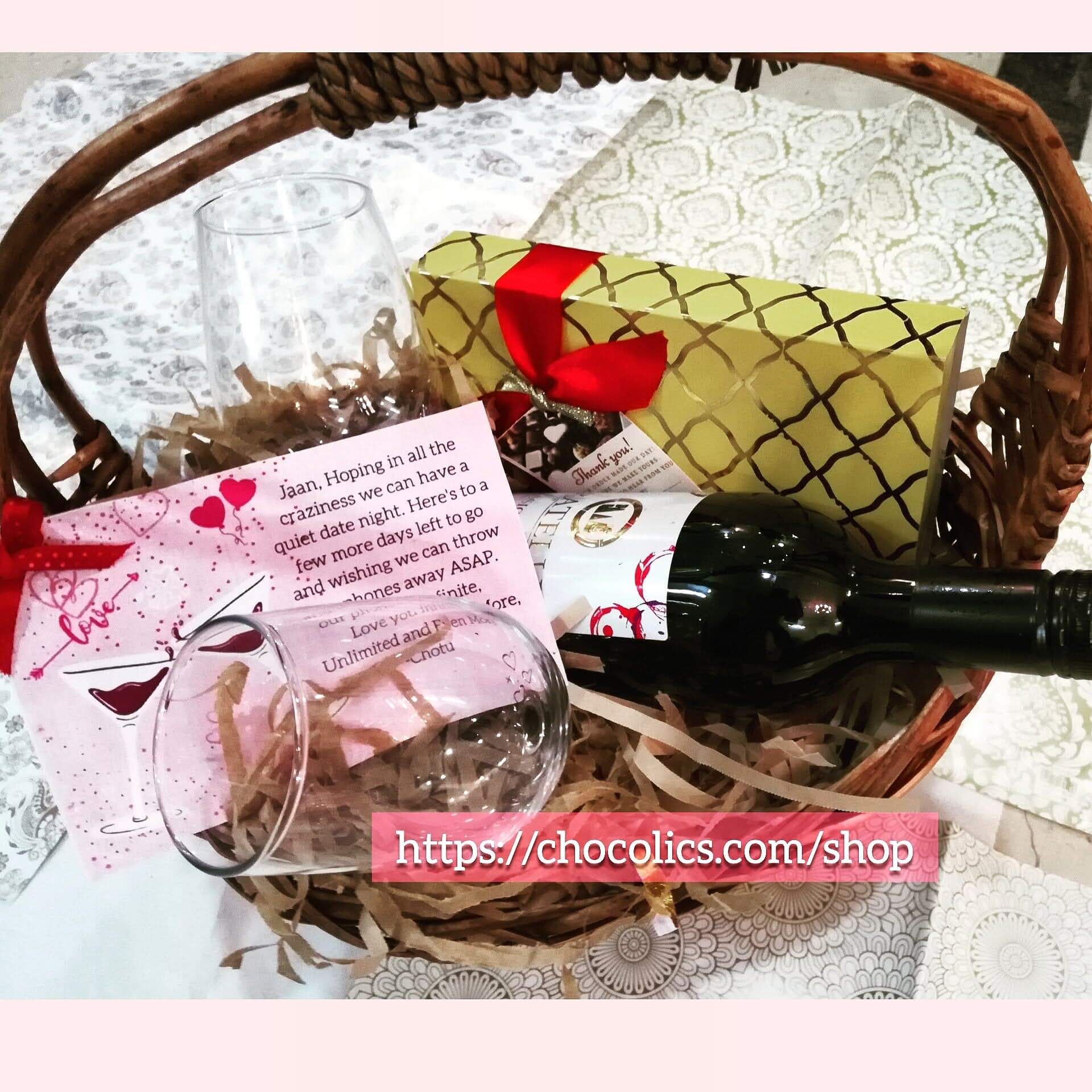
Indulge your loved ones in the sweet embrace of luxury with our exquisite chocolate gift box and hamper delivery service, available in Delhi, Gurgaon, and Noida. Picture the delight on their faces as they unwrap a carefully curated selection of premium chocolates, elegantly presented in a box that exudes sophistication. What sets us apart is our commitment to delivering these delectable treasures on the same day, within a mere 2 hours, ensuring your thoughtful gesture reaches its destination promptly. Whether it’s for Valentine’s Day week, a birthday celebration, a cherished anniversary, or any special event, our chocolate gifts are the perfect way to express your sentiments.
Welcome to Chocolics, the ultimate destination for all chocolate lovers in Delhi! Our passion for chocolate is unmatched, and we take pride in providing the best quality chocolates in the city. Our range of products caters to all your chocolate needs, be it for personal consumption, gifting, or events. With our online store, you can now order chocolates from the comfort of your home and get them delivered to your doorstep, anywhere in Delhi.
Delhi is known for its love for food, and chocolates are no exception. At Chocolics, we have a wide range of chocolates to satisfy the taste buds of every chocolate lover in the city. From classic milk chocolates to exotic dark chocolates, we have it all. Our chocolates are made with the finest ingredients, and we use no preservatives, ensuring that you get the best quality product every time.
Chocolate Delivery in Delhi
At Chocolics, we understand the importance of timely delivery. We offer same-day chocolate delivery in Delhi, ensuring that your chocolates reach you or your loved ones on time. Our delivery services are prompt, and we take extra care to ensure that the chocolates reach you in the best possible condition.
Best Chocolates in Delhi
When it comes to chocolates, there is no compromise on quality. At Chocolics, we take pride in offering the best chocolates in Delhi. Our chocolates are made with the finest ingredients, and we use no preservatives, ensuring that you get the best quality product every time. We have a wide range of chocolates to cater to different tastes, and our products are regularly updated to offer something new and exciting to our customers.
Online Chocolate Gifts
Looking for a last-minute gift? Why not give the gift of chocolate? At Chocolics, we offer a wide range of online chocolate gifts that are perfect for any occasion. Our products are made with the finest ingredients, and we offer a range of customization options to make your gift truly special. With our online store, you can order chocolate gifts from the comfort of your home and get them delivered anywhere in Delhi.
Same Day Chocolate Delivery
Sometimes, you need to send a gift at the last minute. At Chocolics, we understand this and offer same-day chocolate delivery in Delhi. Our delivery services are prompt, and we take extra care to ensure that the chocolates reach you or your loved ones on time. With our same-day delivery service, you can rest assured that your gift will be delivered on time, every time.
Chocolates Online India
If you’re looking for the best quality chocolates in India, look no further than Chocolics. We offer a wide range of chocolates made with the finest ingredients, and we use no preservatives. Our products are regularly updated to offer something new and exciting to our customers. With our online store, you can order chocolates from anywhere in India and get them delivered to your doorstep.
Birthday Chocolate Gifts Delhi
A birthday is incomplete without chocolates. At Chocolics, we offer a wide range of birthday chocolate gifts in Delhi that are perfect for any age group. From classic milk chocolates to exotic dark chocolates, we have something for everyone. Our products are made with the finest ingredients, and we offer a range of customization options to make your gift truly special.
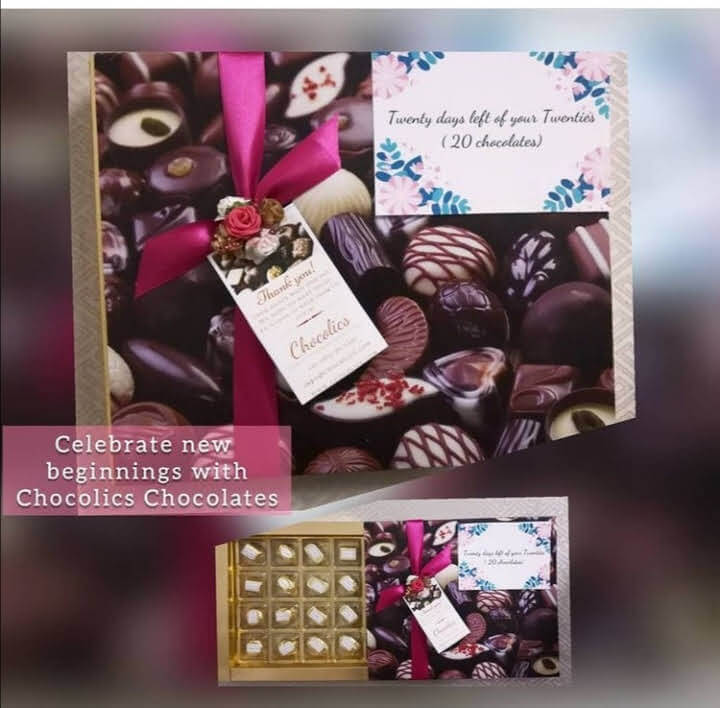
Assorted Chocolates: Can’t decide on one flavor? How about our assorted chocolates that come in a range of flavors and are perfect for sharing.
Chocolates for Kids: Kids love chocolates and we have a range of chocolates that are perfect for them. From fun shapes to delicious flavors, our chocolates are sure to be a hit with kids.With so many options to choose from, Chocolics is the perfect destination for all your chocolate needs. So, whether you want to gift chocolates or just indulge in them, visit our website and place your order today!
Anniversaries are a time to celebrate love, and what better way to do that than with chocolates? At Chocolics, we offer a wide range of anniversary chocolate gifts that are perfect for couples of all ages. Our products are made with the finest ingredients, and we offer a range of customization options to make your gift truly special.
Chocolate Return Gifts
If you’re looking for return gifts for your next event, why not go for chocolates? At Chocolics, we offer a wide range of
chocolate return gifts that are perfect for events such as weddings, birthdays, and corporate events. Our products are made with the finest ingredients, and we offer a range of customization options to make your gift truly special. With our delivery services, you can get the chocolate return gifts delivered to your doorstep, making the process hassle-free.
Corporate Chocolate Gifts
If you’re looking for corporate gifts, why not go for chocolates? At Chocolics, we offer a range of corporate chocolate gifts that are perfect for any occasion. Our products are made with the finest ingredients, and we offer a range of customization options to make your gift truly special. With our delivery services, you can get the corporate chocolate gifts delivered to your office, making the process hassle-free.
Baby Birthday Chocolate Favors
A baby’s first birthday is a special occasion, and what better way to celebrate than with chocolates? At Chocolics, we offer a wide range of baby birthday chocolate favors that are perfect for the occasion. Our products are made with the finest ingredients, and we offer a range of customization options to make your gift truly special.
Announcing the arrival of a new baby is a special occasion, and what better way to do that than with chocolates? At Chocolics, we offer a wide range of baby announcement chocolates that are perfect for the occasion. Our products are made with the finest ingredients, and we offer a range of customization options to make your gift truly special.
Customized Chocolates
At Chocolics, we offer a range of customized chocolates that are perfect for any occasion. Our products are made with the finest ingredients, and we offer a range of customization options to make your gift truly special. Whether it’s adding a message, a photo, or a design, we can do it all. With our delivery services, you can get the customized chocolates delivered to your doorstep, making the process hassle-free.
Weddings are a special occasion, and what better way to celebrate than with chocolates? At Chocolics, we offer a wide range of wedding chocolate gifts that are perfect for the occasion. Our products are made with the finest ingredients, and we offer a range of customization options to make your gift truly special. With our delivery services, you can get the wedding chocolate gifts delivered to the venue, making the process hassle-free.
Personalized Chocolates
At Chocolics, we offer a range of personalized chocolates that are perfect for any occasion. Our products are made with the finest ingredients, and we offer a range of customization options to make your gift truly special. Whether it’s adding a message, a photo, or a design, we can do it all. With our delivery services, you can get the personalized chocolates delivered to your doorstep, making the process hassle-free.
Chocolate Delivery in Gurgaon
If you’re in Gurgaon and looking for chocolate delivery, look no further than Chocolics. We offer a wide range of chocolates made with the finest ingredients, and we use no preservatives. With our delivery services, you can get the chocolates delivered to your doorstep in Gurgaon.
Chocolate Delivery in Noida
If you’re in Noida and looking for chocolate delivery, look no further than Chocolics. We offer a wide range of chocolates made with the finest ingredients, and we use no preservatives. With our delivery services, you can get the chocolates delivered to your doorstep in Noida.
chocolate gifts online delhi
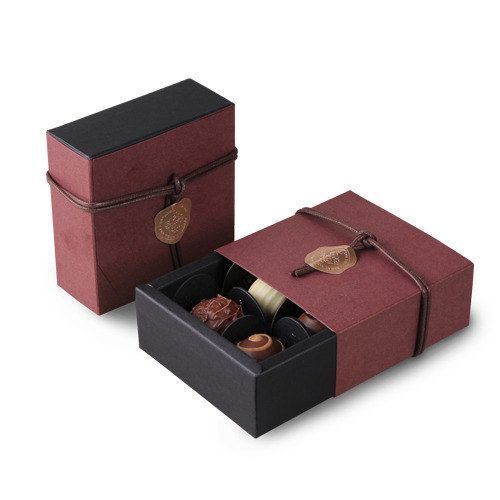
Looking for a gift that is both elegant and delicious? Why not go for a chocolate gift box from Chocolics? Our gift boxes come in a range of sizes and are perfect for any occasion. Our products are made with the finest ingredients, and we offer a range of customization options to make
your gift truly special. With our delivery services, you can get the chocolate gift boxes delivered to your doorstep, making the process hassle-free.
Chocolates for Events
At Chocolics, we offer a range of chocolates that are perfect for events. Our products are made with the finest ingredients, and we offer a range of customization options to make your gift truly special. Whether it’s a birthday, anniversary, or corporate event, we have the perfect chocolates for you. With our delivery services, you can get the chocolates delivered to your venue, making the process hassle-free.
Chocolics is a premium chocolate brand in Delhi that is dedicated to delivering the finest chocolates to its customers. We offer a wide range of chocolates made with the finest ingredients and use no preservatives. We also offer a range of customization options to make your gift truly special. With our delivery services, you can get the chocolates delivered to your doorstep, making the process hassle-free. So, if you’re looking for the best chocolates in Delhi, look no further than Chocolics.
Our selection of “chocolate gift baskets in Delhi” are perfect for any occasion. Whether you’re looking for a birthday gift, a romantic gesture, or simply a way to say “thank you,” we have something that will delight your loved ones. Our “luxury chocolate in Delhi” and “dark chocolate in Delhi” options are a must-try for all.
We understand that sometimes you need a little something extra to make your gift special, so we also offer an extensive selection of chocolate gift baskets, and hampers that are perfect for any occasion. Whether you’re looking for a birthday gift, a romantic gesture, or simply a way to say “thank you,” we have something that will delight your loved ones. Our chocolate gift hamper, chocolate basket options are perfect for special occasions like Valentine’s Day and Father’s Day.
We also offer online chocolate delivery and same-day delivery services for “chocolates in Delhi” so that you can enjoy our chocolates whenever and wherever you want. You can also order chocolates online and we’ll make sure they get delivered to your doorstep. Our “chocolate delivery in Delhi” service makes it easy for you to get your chocolate fix.
Visit our “chocolate store in Delhi” or “chocolate near me” and indulge in the decadent world of chocolate. With our “chocolates online delivery in Delhi”, you can enjoy the taste of our chocolates from the comfort of your home. Browse our selection today and find your new favorite chocolate. Trust us, your taste buds will thank you!
we believe that chocolate is not just a treat, it’s an experience. That’s why we take great care in sourcing the best ingredients, using traditional techniques, and constantly experimenting with new flavors and textures. Our “handmade chocolate in Delhi” are just delicious, they’re also visually stunning and make for a perfect gift for any occasion
Whether you’re looking for a birthday gift, a romantic gesture, or simply a way to say “thank you,” we have something that will delight your loved ones. Our “luxury chocolate in Delhi” and “dark chocolate in Delhi” options are a must-try for all chocolate connoisseurs.
We strive to make the process of buying chocolate as smooth and enjoyable as possible. At Chocolics, we’re not just in the business of selling chocolate, we’re in the business of spreading joy. We want to share our passion for chocolate with the people of Delhi, and that’s why we’re dedicated to providing the best “chocolates in Delhi”, “chocolate delivery in Delhi”, and “best chocolate shops in Delhi”. We’re constantly working to improve our selection and our service, so that we can bring you the best possible chocolate experience
Our “chocolate store in Delhi” is the perfect place to find your favorite chocolate treats, and our “chocolate near me” service makes it easy to find our store and indulge in the decadent world of chocolate. We believe that chocolate should be accessible to everyone, which is why we offer “chocolates online delivery in Delhi”. You can now enjoy the taste of our chocolates from the comfort of your home. In summary, Chocolics is the go-to destination for all chocolate lovers in Delhi. We offer a wide variety of high-quality chocolate gifts, delivery options and exceptional customer service. We’re dedicated to spreading joy through chocolate and we invite you to join us on this delicious journey.
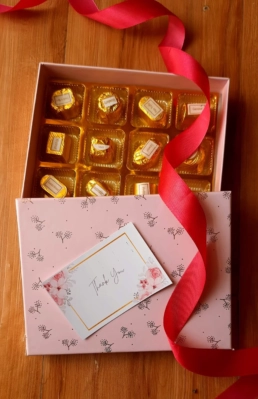

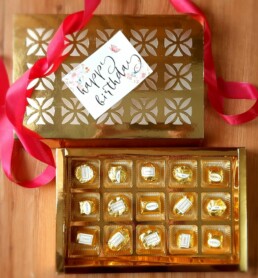
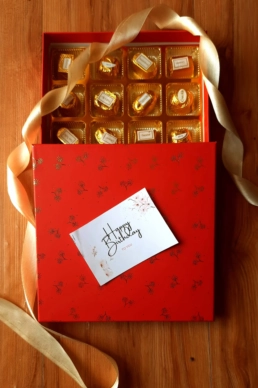

Premium chocolate gifts online Delhi for every occasion, We deliver Same day in Delhi Noida and Gurgaon
Buy Chocolate Gifts Online Delhi India delivery online India. We are an online chocolate delivery company in India that started with a small idea of customized gifts for our customers and today we have grown into a big team.
We deal in pure Belgian soft center chocolates that melt in your mouth with every bite. Buy your Chocolate Gifts Online Delhi India with same day delivery in Delhi/ NCR. Send chocolates online same day delivery
Welcome to Chocolics Chocolates, your one-stop destination for premium quality chocolate delivery in India! We offer a wide range of chocolates that are sure to tantalize your taste buds and leave you wanting more.
Our chocolates are made using the finest quality ingredients, and we take pride in delivering a product that is not only delicious but also visually stunning. Whether you’re looking for a special gift for someone or simply want to treat yourself, we have something for everyone.
At Chocolics Chocolates, we understand that time is of the essence, and that’s why we offer a speedy and efficient chocolate delivery service across India. Our team works hard to ensure that your chocolates are delivered to your doorstep in the shortest possible time, without compromising on quality.
We cater to all your chocolate needs, whether it’s a special occasion or just a simple craving. Our chocolates come in various shapes and sizes, including bars, truffles, and assorted boxes, and are available in a variety of flavors, including dark chocolate, milk chocolate, and white chocolate.
We take pride in offering a seamless and hassle-free online shopping experience for our customers. Simply browse through our website, select the chocolates you want, and place your order. We offer multiple payment options, including cash on delivery, and ensure that your chocolates are delivered with utmost care and attention.
Looking for a unique gift for someone special? Our personalized chocolate gift boxes are the perfect choice. You can add a personal message or even have the chocolates customized with the recipient’s name or photo. It’s a gift that is sure to impress and leave a lasting impression.
In summary, if you’re looking for premium quality chocolate delivery in India, look no further than Chocolics Chocolates. We offer a wide range of chocolates, speedy delivery, and a seamless online shopping experience. Place your order today and experience the joy of indulging in our delicious chocolates!
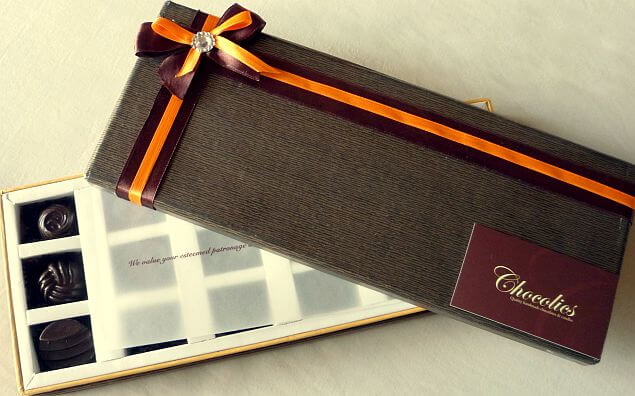
We customise chocolate boxes birthday invitations, Anniversaries, Corporate Gift, Birthdays, Baby Showers, Weddings luxury Chocolate Gifts Online Delhi India
Welcome to Chocolics Chocolates, your one-stop destination for premium quality birthday and anniversary chocolate gifts in Delhi, India. We offer a wide range of chocolates that are sure to make your loved ones feel special and appreciated on their special day. We create birthday return gifts, birthday return favors, anniversary return gifts, anniversary invitation gifts.
Our chocolates are made using the finest quality ingredients, and we take pride in delivering a product that is not only delicious but also visually stunning. Whether you’re looking for a special gift for someone’s birthday or anniversary, we have something for everyone.
At Chocolics Chocolates, we understand that time is of the essence, and that’s why we offer a speedy and efficient chocolate delivery service across Delhi, India. Our team works hard to ensure that your chocolates are delivered to your doorstep in the shortest possible time, without compromising on quality.
We offer a range of customized options to suit your gifting needs. You can choose from our various chocolate gift boxes, which come in a variety of sizes and flavors, including dark chocolate, milk chocolate, and white chocolate. You can also add a personalized message to your gift to make it extra special.
We take pride in offering a seamless and hassle-free online shopping experience for our customers. Simply browse through our website, select the chocolates you want, and place your order. We offer multiple payment options, including cash on delivery, and ensure that your chocolates are delivered with utmost care and attention.
In addition to birthday and anniversary chocolate gifts, we also offer chocolates for other special occasions, such as Valentine’s Day, Mother’s Day, and Diwali. Our chocolates are perfect for expressing your love and appreciation for your family and friends.
In summary, if you’re looking for premium quality birthday and anniversary chocolate gifts in Delhi, India, look no further than Chocolics Chocolates. We offer a wide range of chocolates, speedy delivery, and a seamless online shopping experience. Place your order today and make your loved one’s special day even sweeter!
.

Our Wedding Chocolate invitation gifts invitation cards that match your theme with assorted goodies of your choice. Chocolate Gifts Online Delhi India delivered
At Chocolics Chocolates, we understand that weddings are a special occasion, and what better way to celebrate than with our exquisite wedding chocolate gifts. Our chocolates are the perfect way to show your appreciation to your guests and leave a lasting impression on your big day.
Our wedding chocolate gifts are made with the finest quality ingredients and come in a variety of flavors, including dark chocolate, milk chocolate, and white chocolate. We offer a range of designs to choose from, including ones that feature intricate patterns and decorative motifs. You can even customize your chocolates with a personalized message or the wedding couple’s name.
We take pride in delivering a product that is not only beautiful but also of the highest quality. Our team works hard to ensure that your chocolates are delivered to your doorstep with utmost care and attention, making your wedding celebration all the more special.
At Chocolics Chocolates, we understand that every wedding is unique, and that’s why we offer a range of customized options to suit your needs. We can help you create a customized wedding chocolate gift package that will be perfect for your event.
Our online shopping experience is easy and convenient. Simply browse our website, select the chocolates you want, and place your order. We offer multiple payment options, including cash on delivery, and ensure that your chocolates are delivered in a timely and efficient manner.
If you’re looking for the perfect wedding chocolate gifts in Delhi, India, look no further than Chocolics Chocolates. Our chocolates are not only delicious but also visually stunning, making them the perfect addition to any wedding celebration. Place your order today and let us help you make your special day extra sweet. Wedding chocolate gifts include “Indian wedding favors,” “wedding return gifts India,” “personalized wedding gifts India,” and “luxury wedding gifts India

Corporate chocolate gifts– will contain range of goodies with logo, we specialize in Employee gifting, client gifts, Diwali, New Year, Christmas, product launch gifts. Chocolate gifts online Delhi delivery
Welcome to Chocolics Chocolates, your one-stop destination for premium corporate chocolate gifts in Delhi, India. We offer a wide range of chocolates that are perfect for any corporate occasion, whether you’re looking to impress clients, reward employees, or simply spread some goodwill.
Our chocolates are made using the finest quality ingredients, and we take pride in delivering a product that is not only delicious but also visually stunning. We offer a range of customization options, including personalized packaging, corporate branding, and customized messages, to help you create the perfect gift for your clients or employees.
At Chocolics Chocolates, we understand the importance of timely delivery, and that’s why we offer a speedy and efficient chocolate gift delivery service across Delhi and other parts of India. Our team works hard to ensure that your chocolates are delivered to your desired location in the shortest possible time, without compromising on quality.
We offer a range of chocolates that are sure to impress even the most discerning palates. Our chocolates come in various shapes and sizes, including bars, truffles, and assorted boxes, and are available in a variety of flavors, including dark chocolate, milk chocolate, and white chocolate.
In addition to corporate gifts, we also offer a range of chocolates that are perfect for weddings, birthdays, and other special occasions. Our personalized chocolate gift boxes are the perfect way to show your appreciation or love, and are sure to leave a lasting impression.
We take pride in offering a seamless and hassle-free online shopping experience for our customers. Simply browse through our website, select the chocolates you want, and place your order. We offer multiple payment options, including cash on delivery, and ensure that your chocolates are delivered with utmost care and attention.
In summary, if you’re looking for premium quality corporate chocolate gifts in Delhi, India, look no further than Chocolics Chocolates. We offer a wide range of chocolates, speedy delivery, and a seamless online shopping experience. Place your order today and let us help you make a lasting impression on your clients or employees. We are known for corporate chocolate gift hampers in India for “customized chocolates for corporate gifting”, “best corporate chocolate gifts online”, “personalized chocolates for corporate gifting” and “luxury chocolate gifts for corporates”.

Baby shower announcement chocolate gifts can be customized according to color and design of your preference along with a personalized note. Chocolate gifts online Delhi delivery
Welcome to Chocolics Chocolates, where we make celebrating life’s sweetest moments even sweeter with our delicious and beautiful baby shower announcement chocolates. Our chocolates are the perfect way to share your exciting news with friends and family, while satisfying your sweet tooth at the same time.
Our baby shower announcement chocolates are made with the finest quality ingredients and come in a variety of flavors, including dark chocolate, milk chocolate, and white chocolate. We offer a range of designs to choose from, including ones that feature cute baby footprints, onesies, and baby rattles. You can even customize your chocolates with a personalized message or the baby’s name.
Our chocolates are not only delicious but also visually stunning. We take pride in delivering a product that is not only beautiful but also of the highest quality. Our team works hard to ensure that your chocolates are delivered to your doorstep with utmost care and attention, making your baby shower announcement all the more special.
At Chocolics Chocolates, we understand that every baby shower is unique, and that’s why we offer a range of customized options to suit your needs. We can help you create a customized baby shower announcement chocolate package that will be perfect for your event.
Our online shopping experience is easy and convenient. Simply browse our website, select the chocolates you want, and place your order. We offer multiple payment options, including cash on delivery, and ensure that your chocolates are delivered in a timely and efficient manner.
In summary, if you’re looking for the perfect way to announce your baby shower, look no further than Chocolics Chocolates. Our baby shower announcement chocolates are delicious, visually stunning, and customizable, making them the perfect addition to any baby shower celebration. Place your order today and let us help you make your announcement extra sweet!